Start with the problem
Technology can expand the solution space, but it does not decide which problem is worth solving.
About
I approach product leadership as the work of creating a useful direction through uncertainty—while respecting the technical, human, and organizational reality of the system.
How I got here
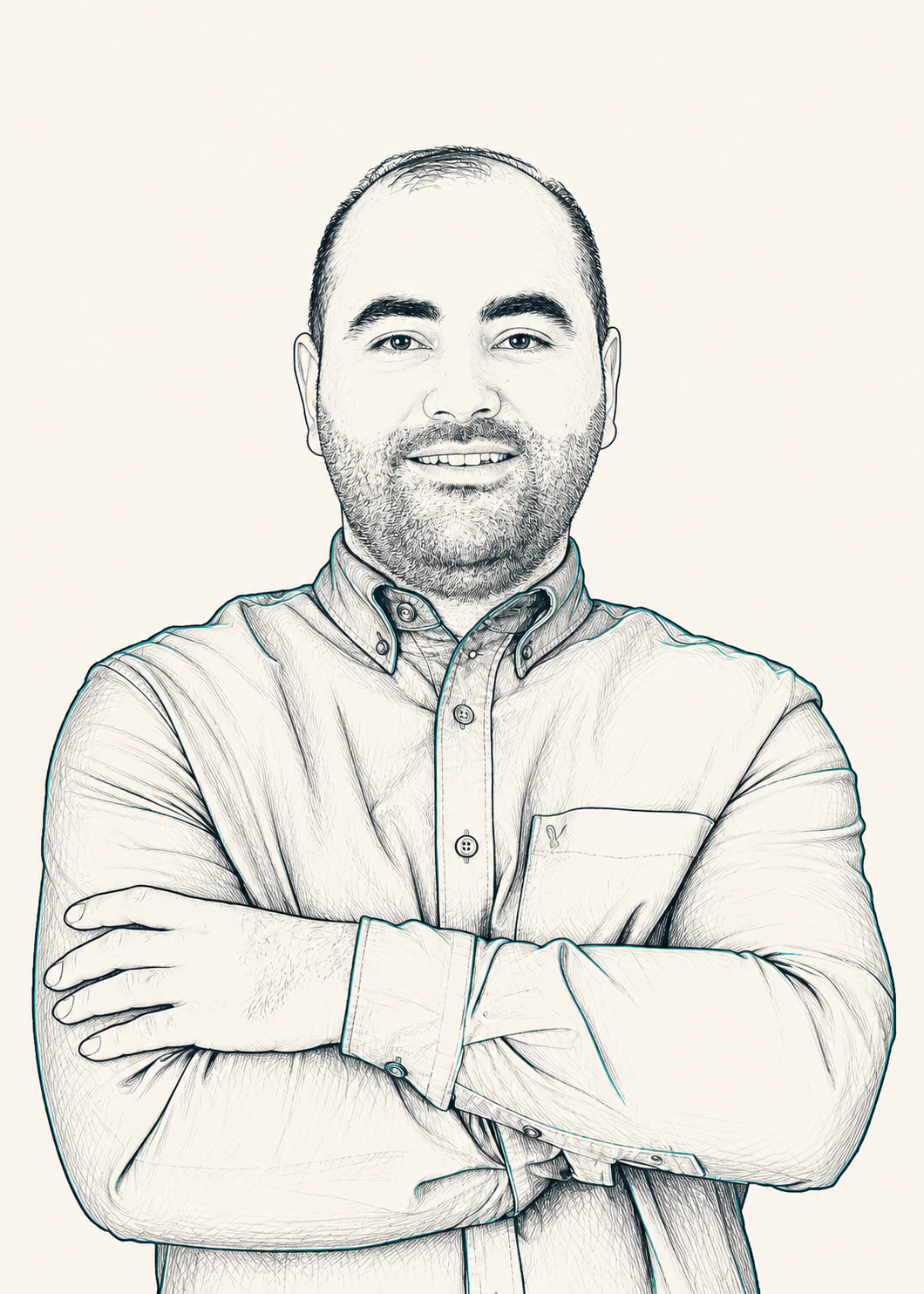
I have repeatedly gravitated toward product environments where the answer sits between teams, systems, and definitions of success.
My professional story developed across technology, digital products, communications, platforms, data, and AI. Work in environments including Al Jazeera, Maqsam, and Expedia exposed me to different customers, operating models, and forms of complexity.
The recurring lesson was that a promising product idea is rarely blocked by technology alone. Direction, evidence, ownership, incentives, workflow, and adoption usually matter just as much. That is why my work connects product strategy to the organizational conditions required to make it real.
How I operate
These are working disciplines, not values displayed on a wall.
Technology can expand the solution space, but it does not decide which problem is worth solving.
A team moves faster when facts, beliefs, risks, and unanswered questions are not treated as the same thing.
Shared direction is designed through decisions, evidence, language, and participation—not achieved through status updates.
A product creates value only when it becomes useful in the real behavior and operating context around it.
Technology with purpose
I work comfortably with engineering, data, and specialist teams. My job is not to pretend to replace their expertise. It is to ask better questions, make tradeoffs visible, connect technical choices to product outcomes, and ensure ambition remains grounded in what users and organizations can adopt.
That is especially important in AI. Model capability is one input. Data readiness, evaluation, trust, workflow design, governance, integration, cost, and operating change determine whether it becomes a product.